
Episode 19: SUNSET BOULEVARD
Get ready for a close-up with the author of a book about Sunset Boulevard
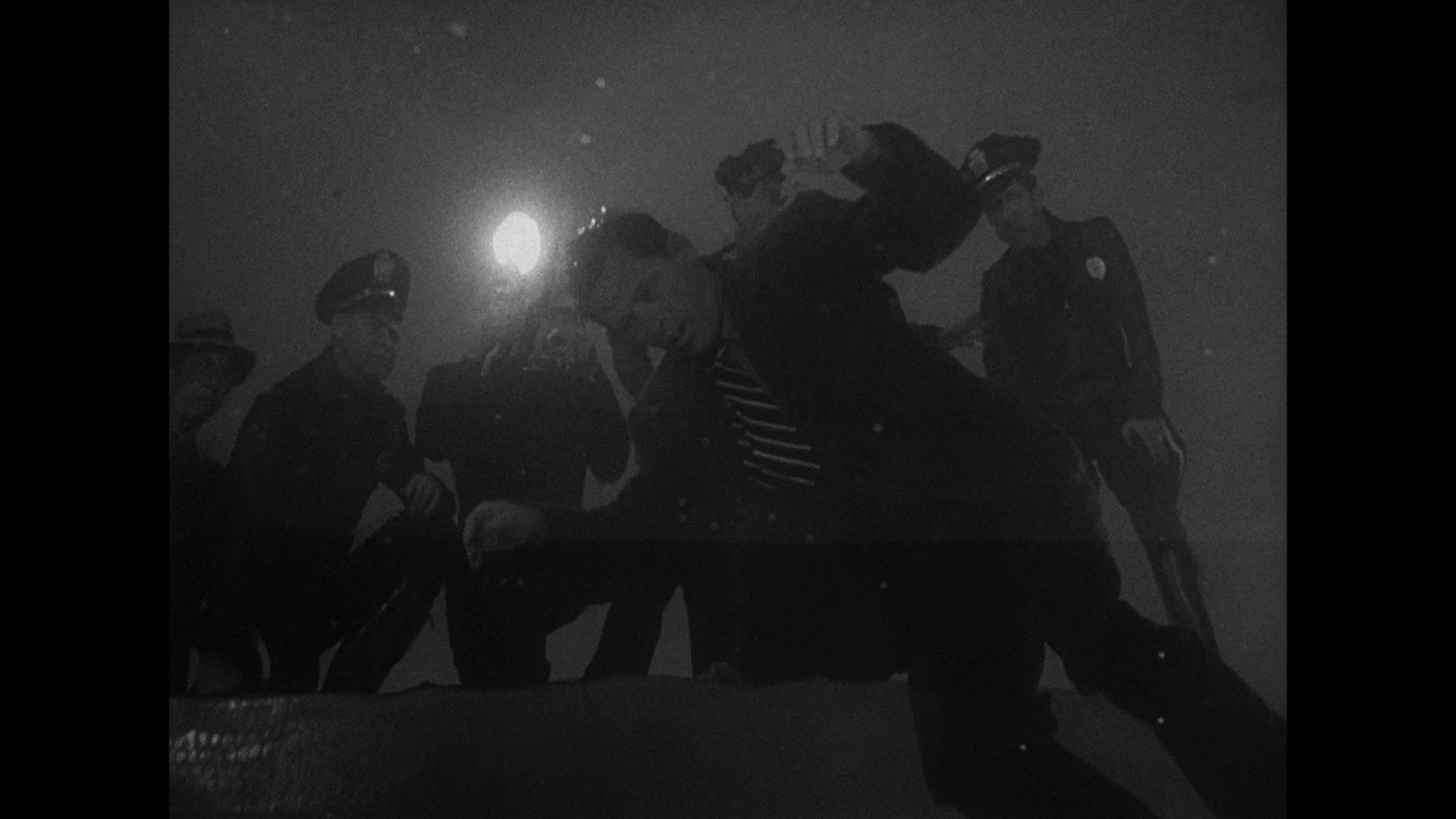
Sunset Boulevard, 1950.
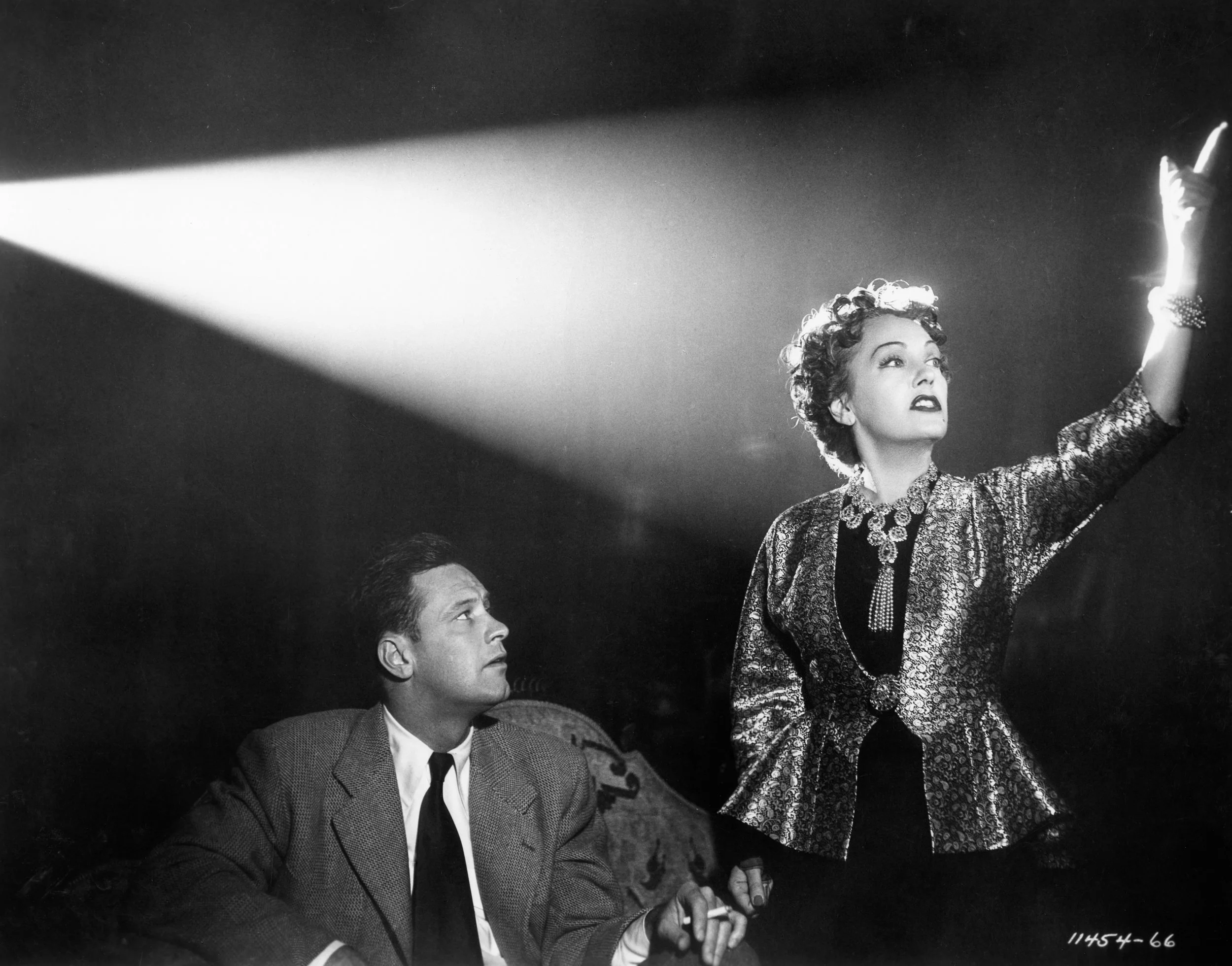
Billy Wilder and Charles Brackett didn’t really like each other. Yet they were screenwriting partners for years. One of the their most memorable movies: Sunset Boulevard, a classic from 1950.
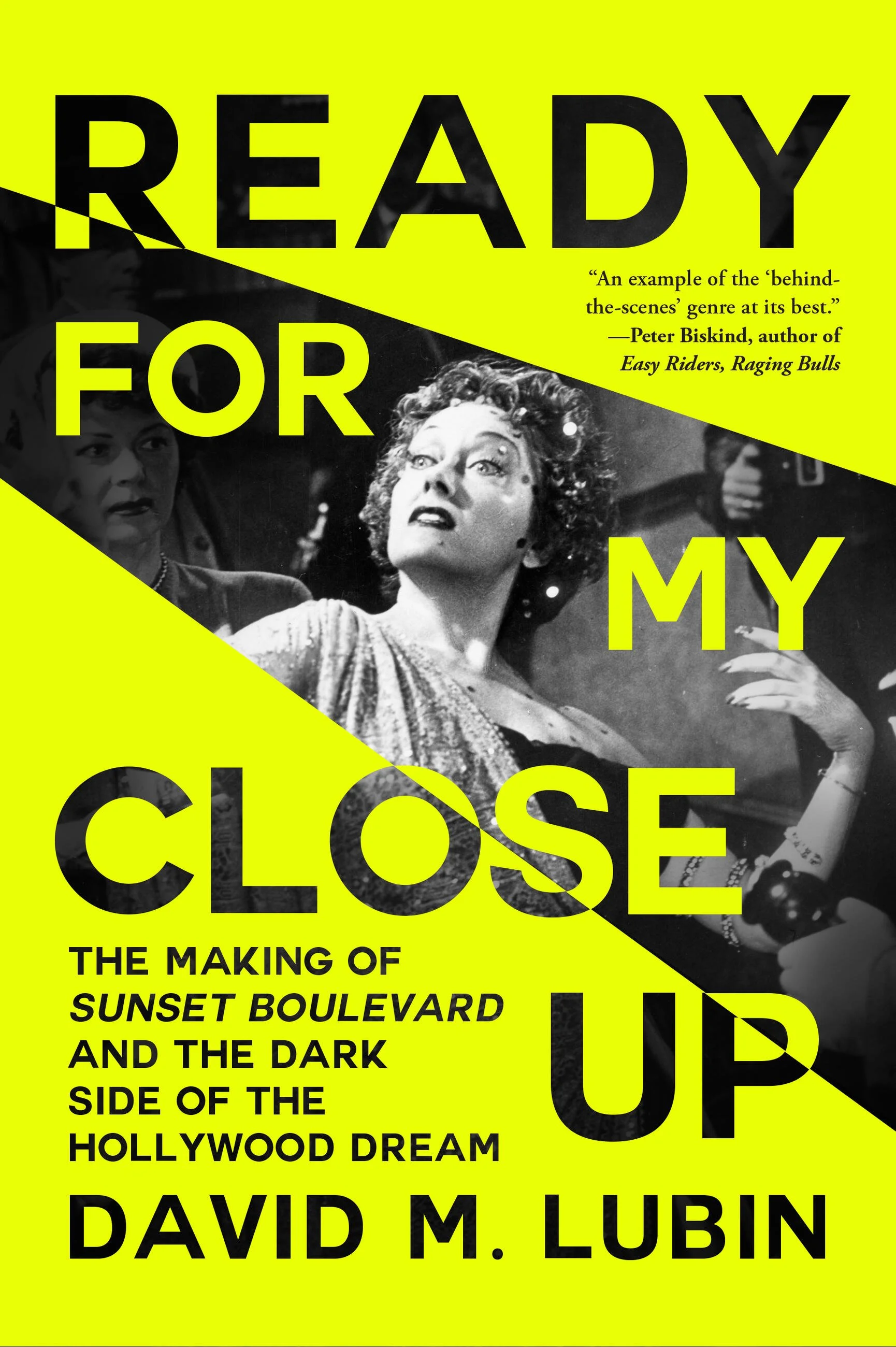
David M. Lubin’s book, Ready for My Close-Up: The Making of Sunset Boulevard and the Dark Side of the Hollywood Dream, dives into the working relationship behind Wilder and Brackett. It also explores lots of film history: Erich von Stroheim’s creative flourishes and cost overruns as a director, Gloria Swanson’s glorious silent film career, William Holden’s boozing, Edith Head’s costume collaborations and the artful cinematography of John Setiz.
In this episode, Lubin discusses all those things (and a few more).
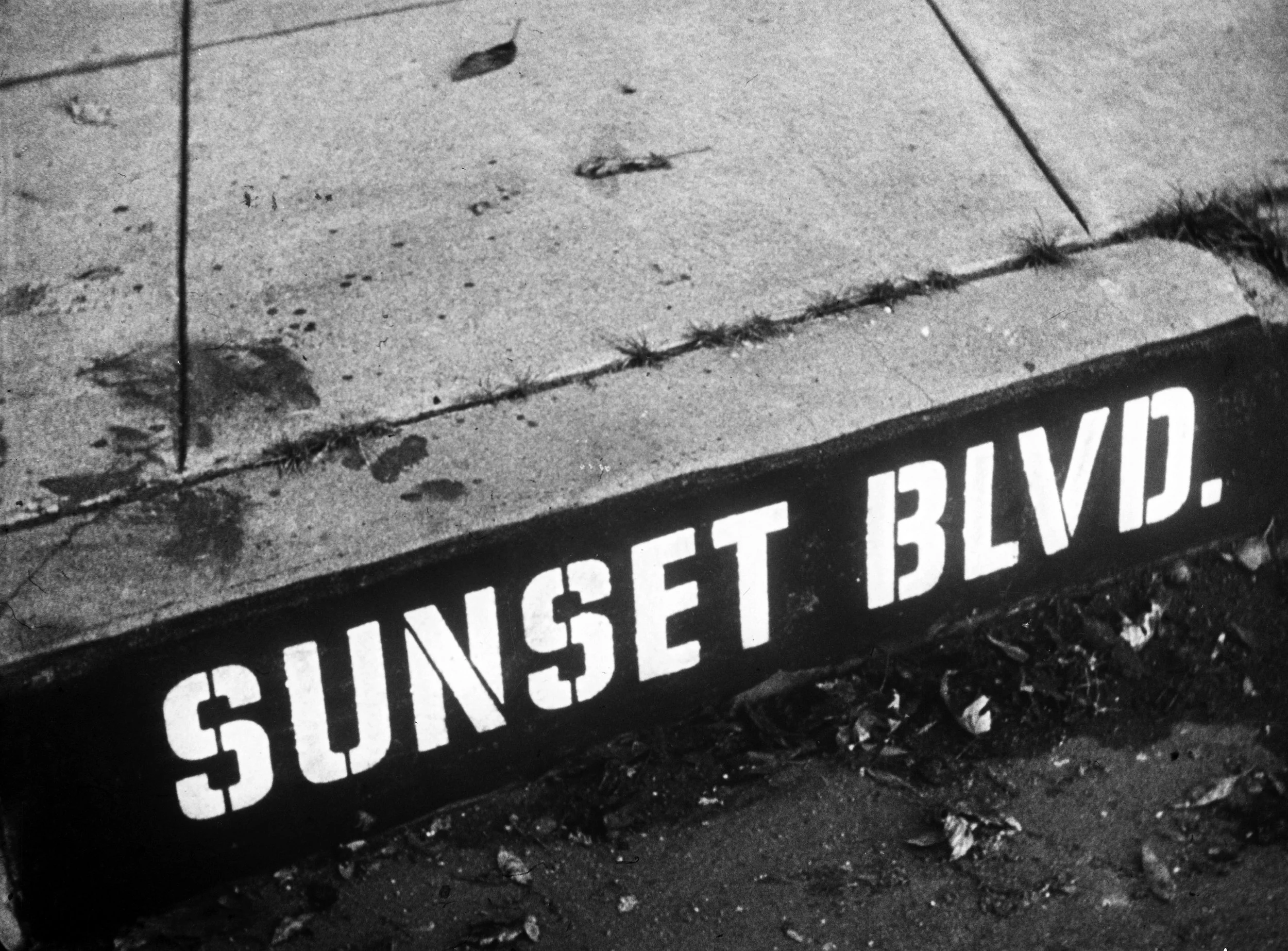
Sunset Boulevard: The street where desperate screenwriters go to live with eccentric silent movie stars and die too young.
THE SUNSET BOULEVARD FILE
Lubin on why Sunset Boulevard works: “It’s always on the verge of tipping one way or another into comedy, mystery, melodrama, social satire, or horror. This unsettling mixing of genres, which at the time rankled some of its critics, today feels playful and postmodern.”
Principal photography: April 18 - June 18, 1949. Reshooting took place in July and October, including 10 takes of Gloria Swanson gliding down a staircase.
“The best director is the one you don’t see,” Billy Wilder once said. “You will not find in my pictures any phony camera moves or fancy steps to prove that I am a moving-picture director..”
During filming of The Four Horseman of the Apocalypse (1921), cinematographer John Seitz invented a “swiveling wooden platform mounted on top of a dolly, so that the camera could come in close on the dancers and move fluidly across the dance floor with them, maintaining an intimate distance throughout.” He employed a similar technique in Sunset Boulevard to capture the dance sequence between Swanson and William Holden.
S.J. Perelman on Erich von Stroheim’s frequent roles as a silent film villain: “Von Stroheim not only kicked the dog, he kicked the owner and the S.P.C.A. for good measure.”
Erich von Stroheim demanded the same salary as Gloria Swanson: $50,000. Paramount offered $35,000 and refused to budge. Stroheim relented. “Even geniuses have to eat at least twice a week,” he said.
The film won three Oscars: Original Screenplay (Charles Brackett, Billy Wilder and D.M. Marshman, Jr.), Art Design (Hans Dreier and John Meehan) and Original Musical Score (Franz Waxman).
Sunset Boulevard earned $2.35 million at the box office; it cost $1.75 million to produce. The film performed best in big cities. In four weeks at Radio City Music Hall in New York, it earned about $651,000.